On October 16th, ZENG Jun, Executive Vice President of Shanghai Party Institute/Shanghai Administration Institute (hereinafter referred to as SPI/SAI), held a group meeting with the foreign guests attending the SPI/SAI’s international conference who are from Brazil, Vietnam, Kyrgyzstan, Italy, Mongolia, Greece, South Africa, and Macao of China, accompanied by LUO Feng and WANG Yongjie—Vice Presidents of SPI/SAI, and accompanying personnel from the SPI/SAI’s Department of Public Administration, Division of Scientific Research Management, and Foreign Affairs Office.
ZENG Jun welcomed the visiting guests and outlined the basic situation of SPI/SAI in terms of teaching and research, team building, and postgraduate education, among others. He said that in July this year, a series of measures were deployed in the Third Plenary Session of the 20th CPC Central Committee to deepen the reform comprehensively in China, and Shanghai has been striving to build a modern socialist international metropolis with global influence in accordance with the requirements of the CPC Central Committee. In this process, Shanghai is also confronted with the same problems and challenges facing other cities. The international conference on strategic thinking on modernization of metropolitan governance, hosted by SPI/SAI, aims to build a platform for academic exchanges on a global scale, and to invite experts from abroad (or Hong Kong, Macao, or Taiwan regions) to share their excellent experience and practices in urban governance, thereby providing reference for Shanghai’s development. It is hoped that the conference can serve as a bridge for deeper exchanges and cooperation with all parties.
The visiting guests expressed their gratitude for the warm reception they received and applauded Shanghai’s urban development and modern teaching and training of carder. Betânia Lemos, President of the National School of Public Administration of Brazil (ENAP), said that this was the first visit since the two sides signed the agreement, and she was deeply impressed, expecting deeper cooperation and exchanges in the cultivation of officials, the building of think tanks, and the “Belt and Road” Initiative. Le Thi Yingtao, Deputy Director of the Academy of Politics Region II of Vietnam, said that both China and Vietnam adhere to the leadership of the Communist Party and the socialist system, and the two institutes have similar functions and positions, and hoped for more in-depth cooperation in academic exchanges and mutual visits between faculty, so as to join hands to be good partners in the cause of cadre cultivation and training.
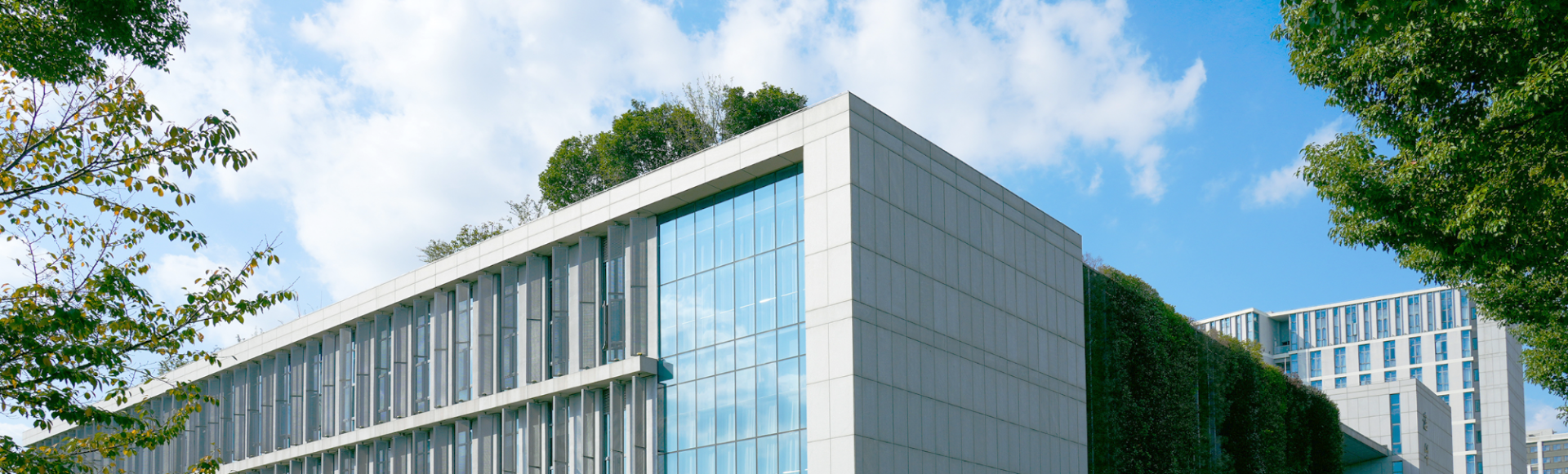
During their stay at SPI/SAI, the personnel from the Foreign Affairs Office accompanied the guests to visit the Institute History Hall, theme classrooms, practical training rooms, and Dianshan Lake Campus.


 Shanghai public network filing 3101042008844.