In 2013, Chinese President XI Jinping brought up an important cooperative initiative to build the Silk Road Economic Belt and the 21st Century Maritime Silk Road. For more than three years, the development of “Belt and Road” (B&R) has been transformed from ideas into actions and from visions to reality, proving to be a fruitful move. In response to the call of the central government and CPC Shanghai Municipal Committee, Shanghai Party Institute of CPC and Shanghai Administration Institute (SAI) hold themselves accountable for their duties, earnestly organize training courses for foreign trainees and make the best of the latest achievements in Marxist sinicization and development of Shanghai and the impressive practices in reform and opening-up. These allow their major duties and courses to play a positive role in public diplomacy and publicity, thereby have been contributing to B&R.
Organize and undertake projects for foreign trainees to spread wider the voice of China. China is the initiator of B&R and a firm actionist and doer in its development. The projects for foreign trainees are designed to tell the great stories of China and spread out the voice of China wider so that the trainees can have a more comprehensive and objective knowledge about China. They can understand its relationship with the world from a different perspective, achieve win-win results and share the profits from development. Since 2013, our institute has done 85 training courses for foreign trainees, three fourths of whom were from the countries and regions along B&R. More than 2,000 foreign trainees attended the courses and more than 80% of them were officials at or above the bureau-or-division-level (including ministerial-level officials, national senators, and senior and middle-level civil servants). It has undertaken projects commissioned by various Chinese and foreign government institutes such as the International Department of the Central Committee of CPC, Overseas Chinese Affairs Office of the State Council, Chinese Academy of Governance, Civil Service Commission of Thailand and Civil Service College Singapore.
Malego Narayan Gopal, monitor of the 2016 Further-study Class on Nepalese Administrative Capacity Building and Secretary of the Office of the Vice President, said, “Nepal has been a friend and partner of China for long and received extensive support from China. China’s government administration and administrative management practices are of great importance to Nepal and can help the Nepalese government improve its administrative capacity.” Keovilay Phengsone, monitor of the 2017 Further-study Class on Modernization of Laotian Governmental Administration, member of the Standing Committee and director of the General Office of Bokeo, Laos, noted, “China’s rapid economic growth is unprecedented in human history. Laos can draw upon China’s experience and practices in governmental administrative reform and management innovation.” Delegates from the Mayors’ Delegation of the Ethiopian People’s Revolutionary Democratic Front remarked, “We learned about how committed the Communist Party of China has been to its people from the courses on CPC’s administrative capacity building and knew the Party had to encounter and resolve a lot of difficulties and challenges to be where they are today.”
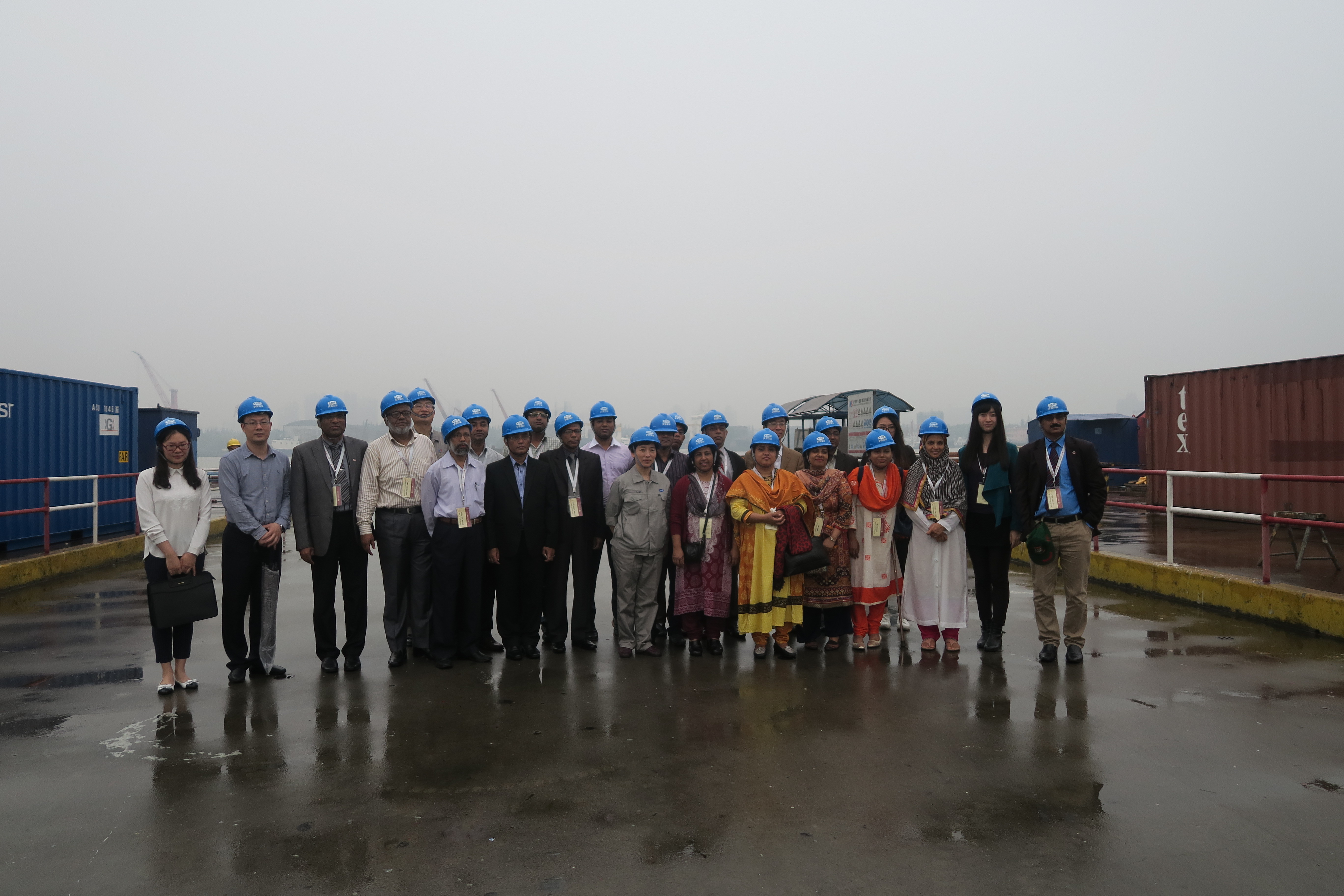
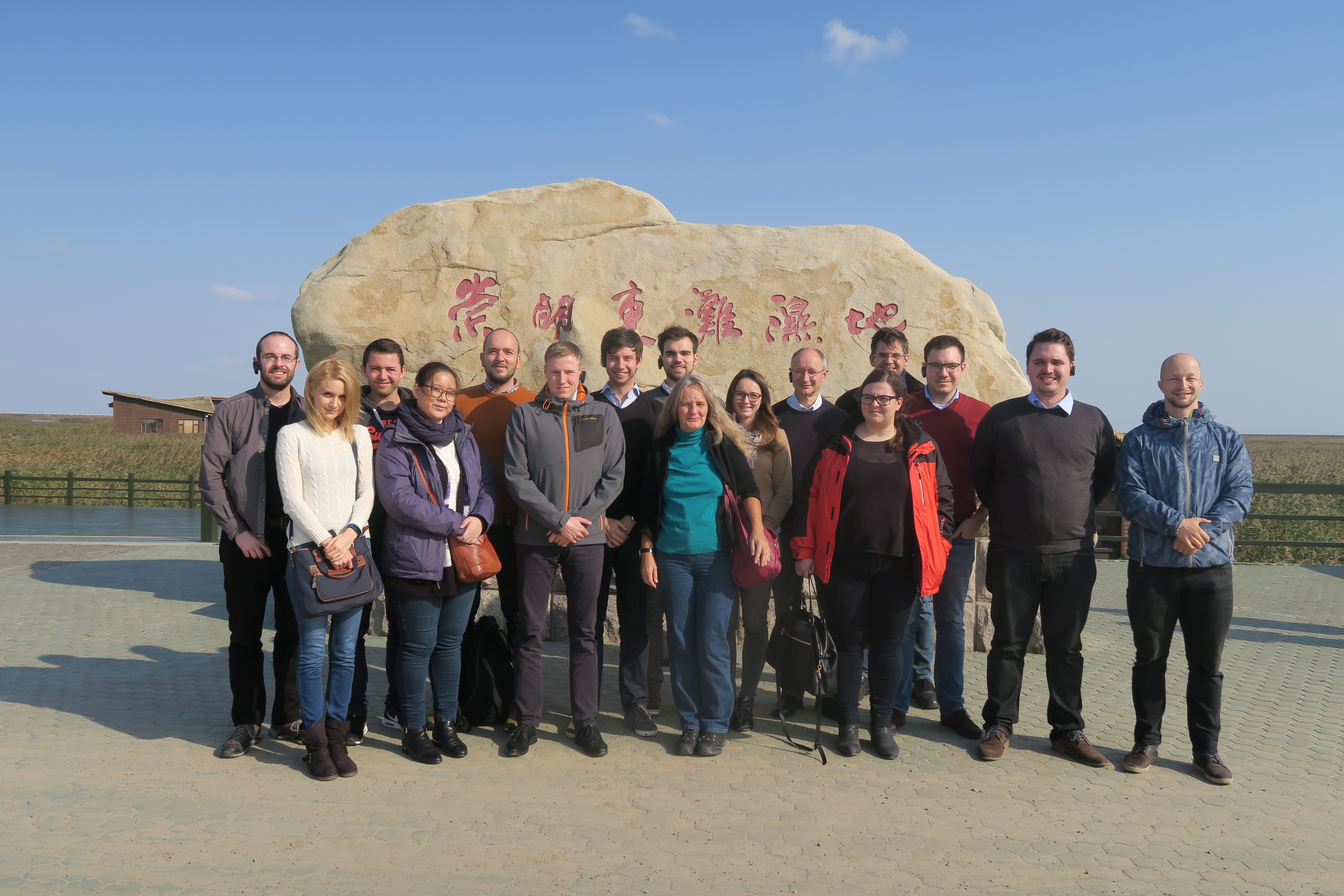
Focus on innovation and development and show the features of Shanghai. For over three years, towards the bigger vision of building a community of common fate for mankind, the B&R initiative has been advancing step by step with the support of the whole country. As the “vanguard of reform and opening-up and forerunner of innovation and development”, Shanghai has been taking an active part, exerting its advantages and playing a major role in supporting the national strategy of opening up as requested by the CPC Central Committee headed by XI Jinping. During the courses, the delegates visited many places such as Hudong-Zhonghua Shipbuilding (Group) Co., Ltd. to learn about the development of Shanghai’s manufacturing, Shanghai Xuhui District Administrative Service Center to learn about its public service, Shanghai Hongqiao Comprehensive Transportation Hub to learn about its urban planning, Chongming Dongtan National Nature Reserve to learn about its conservation culture and local neighborhoods to learn about the self-governance by residents in Shanghai. The delegates were very interested in the above-mentioned courses on issues such as Shanghai’s reform and opening-up, economic development, governmental administration, social governance. These told the great stories of Shanghai, showed its features and shared with the delegates the practices and experience of Shanghai’s development, thereby helped promote win-win cooperation.
Ms. Suttilak Uechittaworn, head of the 2016 1st Administrative Capacity Development Delegation of Thai Civil Servants and Dean of the Civil Servants Training Institute, Civil Service Commission of Thailand, said, “SAI is not only successful in training public leaders, but is also an example of good public management in Shanghai. The purpose of the delegation to Shanghai was to allow the senior and middle-level Thai civil servants to acquaint themselves with Shanghai’s pioneering ideas in economic development and public management and improve their leadership skills. The purpose has been fulfilled with the courses at SAI. The delegates have learned tremendously. They will return to Thailand with the experience and enhance the development of Thailand.”
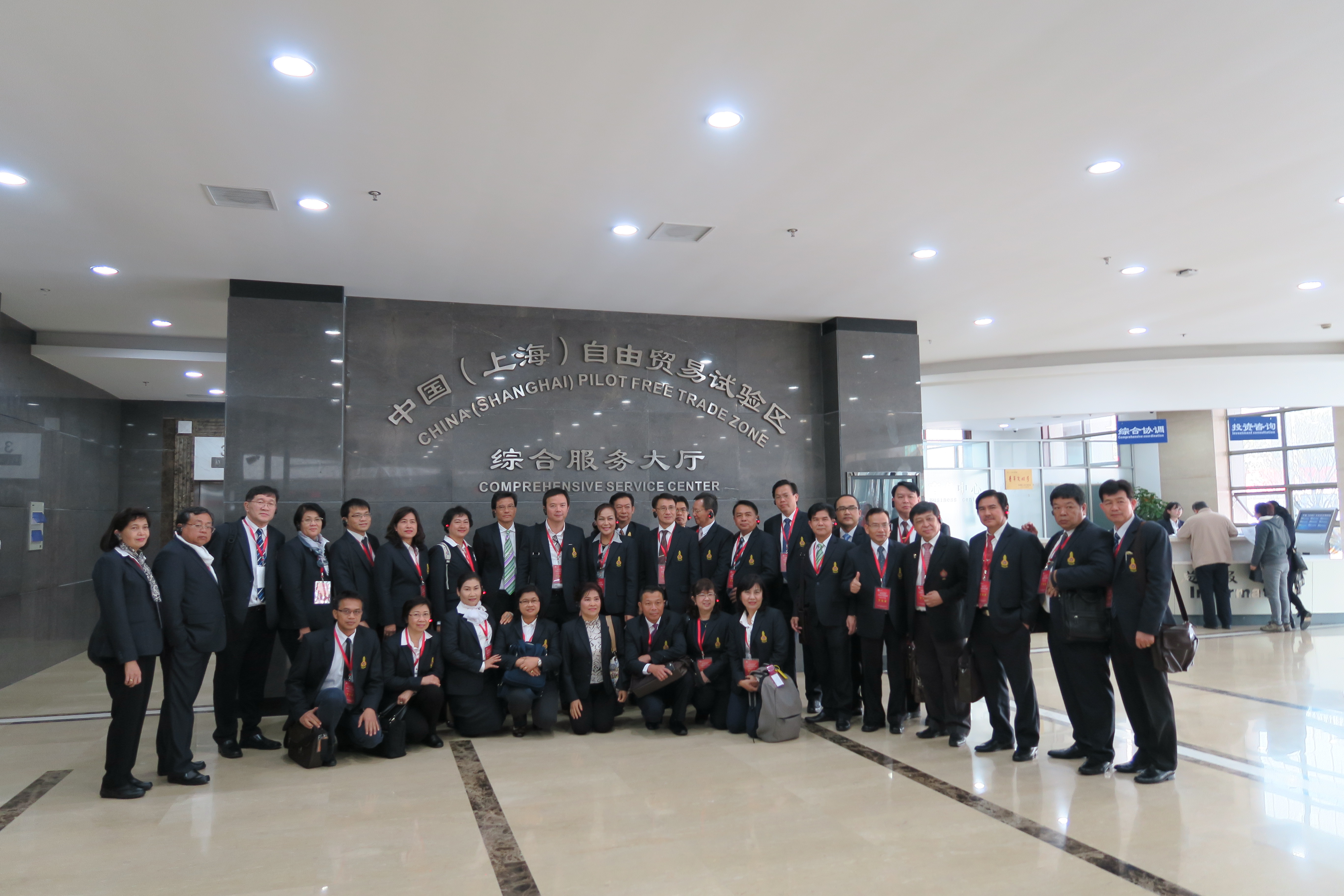
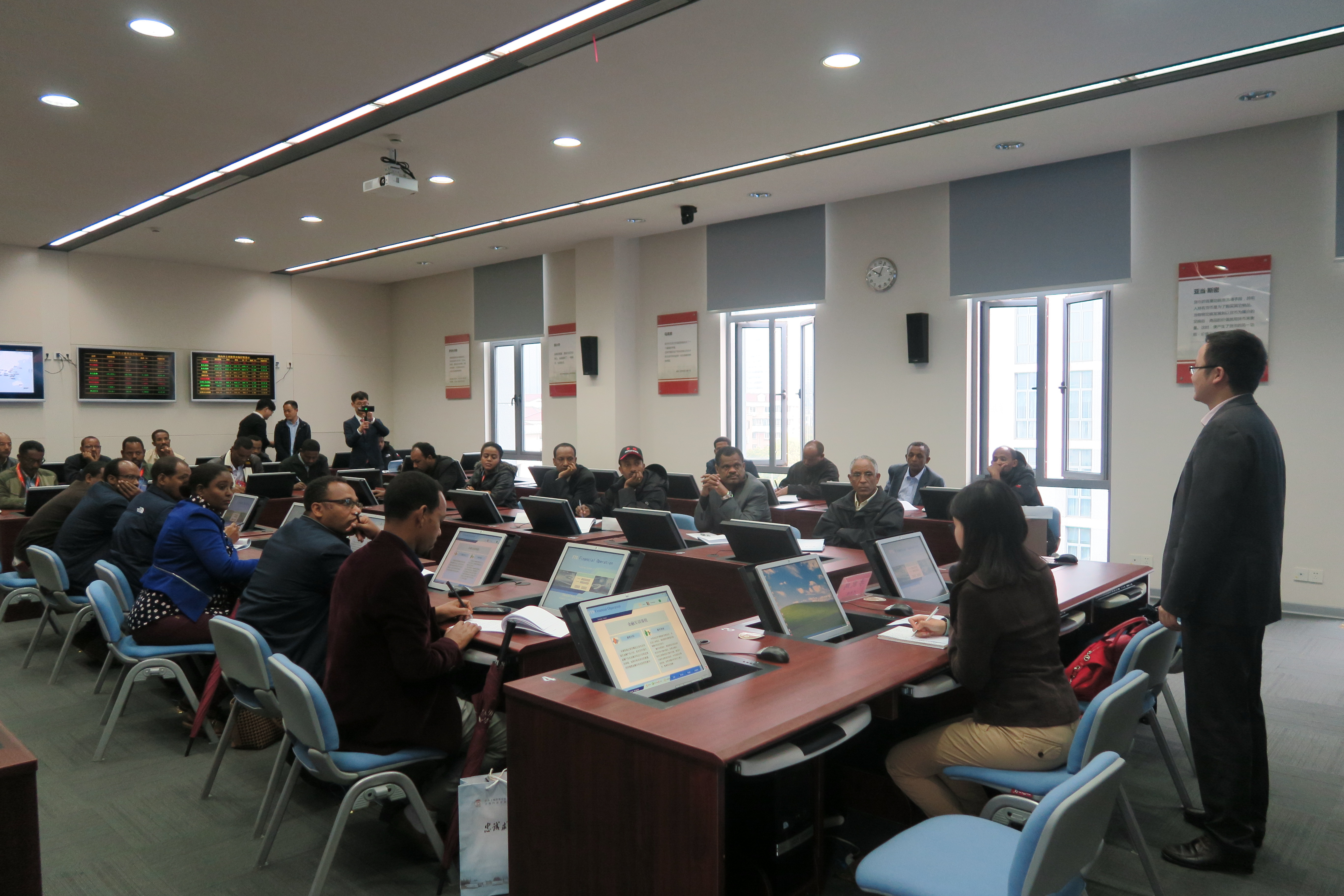
Build a communication platform and enhance the bond between peoples. President XI Jinping noted that the B&R initiative was entrusted with our aspiration for cultural exchanges, our hope for peace and well-being, our pursuit of common development and our yearning for a good life. Cultural exchanges are a spiritual legacy of the ancient Silk Road. The people to people bond is a significant building block of the international cooperation promoted by B&R. During the training courses for foreign trainees, through modern training methods such as special-themes lectures, field teaching, educational tours, SAI offered the delegates lectures on special themes such as “New Ideas and Structures of B&R” and “Theory and Practice of CPC on Administrative Capacity Development”. It scheduled visits for them to places such as the site of the 1st National Congress of CPC, China (Shanghai) Pilot Free Trade Zone, Commercial Aircraft Corporation of China, Ltd. (COMAC) for exchanges and discussions to give them an insight into China’s national development strategy and enhance the bond between peoples.
Odo R.M. Manuhutu, monitor of the 2016 Delegation of Indonesian Senior Diplomats and Director of SESPARLU, the Ministry of Foreign Affairs of Indonesia, said, “from the local middle and senior officials in Shanghai, we can learn how to receive trainings, how to lay the groundwork through training and seize the opportunity for sound development. It’s a golden opportunity for the delegates to learn about Shanghai’s successful practices in development. China is very similar to Indonesia in civil servants training management, but there are also many differences that we can learn from. Through scenario simulation, case study, workshops and other up-to-date teaching methods, SAI shared the best practices and solutions in class to encourage the delegates to exchange views and improve the effectiveness of the training. There is much we can learn from such approaches. I hope we can strengthen our cooperation and exchanges in the future.”
Members of the Fachhochschule MBA Workshop of Integrated Management, remarked, “The training courses of SAI are very practical, can help us understand the development opportunities in China in a long-term and strategic point of view and face the urgent issues together.” “SAI is an institute dedicated to quality education. It’s a good model. Very impressive.” “After visiting Shanghai Shipyard Co., Ltd., I felt that I had visited similar industries in many other cities and countries where people had to work in tough conditions for little pay. But from their words and smiles, I could feel their pride, responsibility and boldness. That’s the spirit of modern Chinese people and the reason why China has been prospering and developing.”




 Shanghai public network filing 3101042008844.